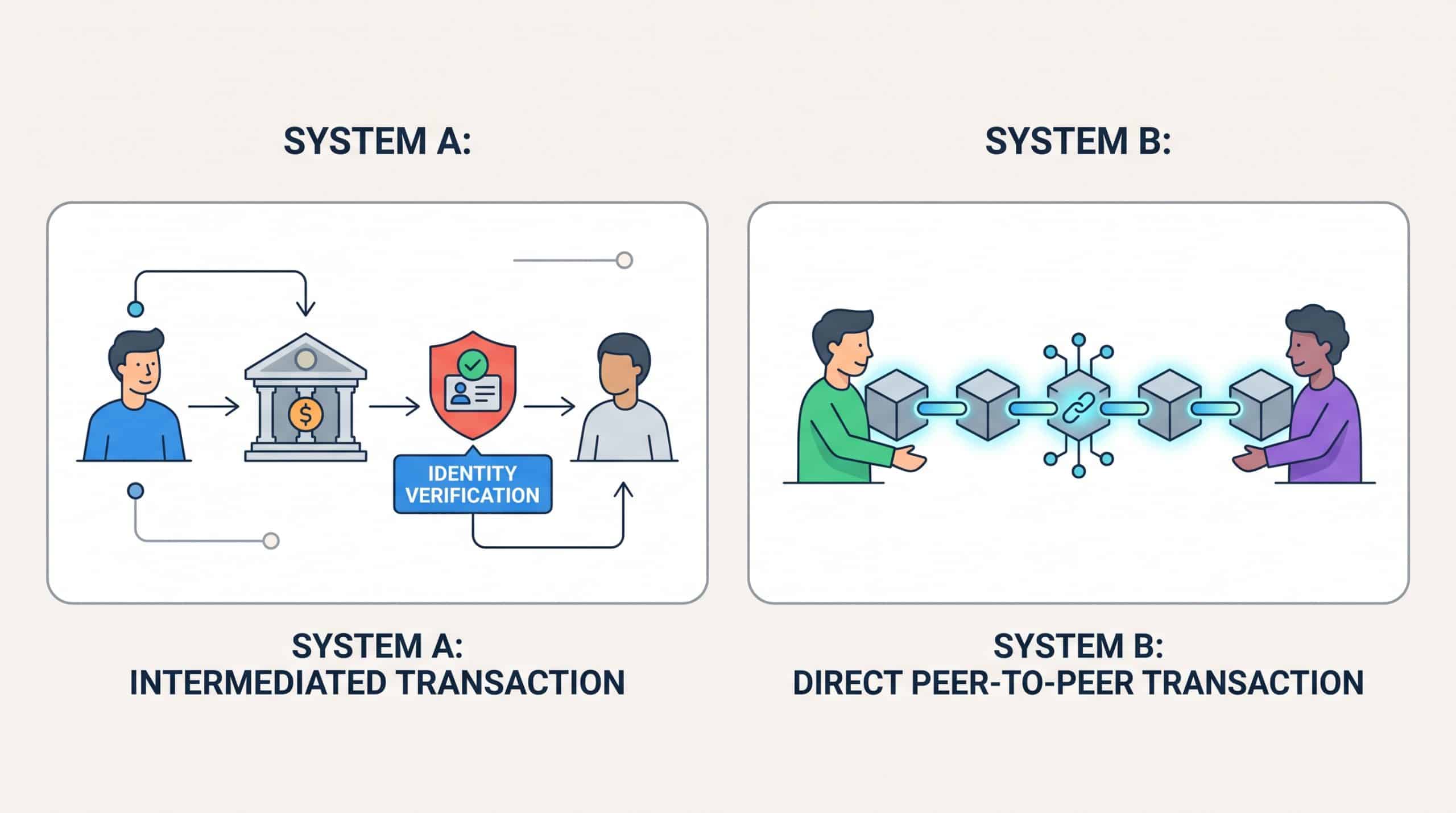

KYC stands for Know Your Customer, a process by which businesses verify the identity of their customers. In traditional financial systems, KYC is an essential step to prevent money laundering, fraud, and other illegal activities. The rise of decentralized finance (DeFi), however, has given birth to a different approach: KYC-free transactions, which let individuals participate in financial activities without sharing personal information with third parties.
What Are KYC-Free Transactions?
KYC-free transactions are financial transactions that do not require users to go through the traditional KYC process. You can transact without disclosing sensitive details such as your name, address, or social security number. This level of privacy appeals to people who value their personal data and want to keep control over it, which is why the concept has gained popularity in the cryptocurrency world.
These transactions are made possible through blockchain technology. Blockchain provides a secure and transparent platform where transactions can be verified and recorded without a central authority, so individuals can enjoy fast and efficient transactions while maintaining their privacy. At the same time, the absence of identity verification carries real risks, which are covered below, so it is important to exercise caution and research any service before using it.
Why KYC-Free Transactions Matter
Enhanced privacy. Transacting without revealing personal details is particularly valuable in an era where data breaches and identity theft are common. Removing traditional KYC procedures keeps your personal information out of databases where it could fall into the wrong hands.
Accessibility. KYC-free transactions empower people who may not have access to traditional banking services, or who face barriers because of their geographical location or a lack of documentation. That inclusivity lets a wider range of people participate in financial activity, regardless of background or circumstances.
A streamlined process. Traditional KYC can be time-consuming: submitting documents, waiting for verification, and clearing several steps before you can transact. KYC-free transactions remove that paperwork and let you transact quickly and conveniently.
Global reach. Traditional financial systems are often limited by borders, fees, and regulations on international transfers. KYC-free transactions let you deal with people around the world without intermediaries or burdensome fees.
Challenges and Risks to Consider
The same features that make KYC-free transactions private and accessible also create trade-offs you should weigh carefully:
- Increased risk of fraud. Without stringent verification, it becomes easier for bad actors to engage in illicit activity such as money laundering, identity theft, and terrorist financing.
- Limited legal protection. Because identities are not collected or verified, tracking and holding someone accountable after a fraudulent transaction is difficult, which weakens your recourse in a dispute.
- Efficiency versus security. Skipping documentation and verification prioritises speed and accessibility, but that trade-off can leave you more exposed to financial risk. Consider how much protection you actually need before choosing this route.
- Regulatory uncertainty. The rules around KYC-free transactions are still evolving, and requirements differ between countries and jurisdictions. Staying informed and compliant with the laws that apply to you is essential.
- Fewer support structures. Users of KYC-free services may not get the customer support, dispute resolution, or financial education that traditional banking provides, which can be a real gap for anyone new to these transactions.
Costs are another practical consideration. According to ChangeHero’s guide to no-KYC exchanges, transaction fees on no-KYC services commonly range from 3% to 8%+, and spreads can exceed the headline fee on convenience-oriented instant-swap services. Comparing the total cost of a transaction, not just the advertised fee, helps you avoid surprises.
How to Approach KYC-Free Transactions Safely
A careful setup lets you capture the privacy and accessibility benefits while limiting the downsides:
- Select the right technology. Research platforms or blockchain-based solutions that support KYC-free transactions and prioritise robust encryption, decentralized storage, and strong security measures that protect user data and transaction integrity.
- Layer your security. Going KYC-free does not mean compromising on protection. Use multi-factor authentication, encryption, secure wallets, and regular software updates to guard sensitive information against unauthorized access.
- Build a trusted network. Transacting with individuals and businesses that have a strong track record makes your transactions more reliable and efficient.
- Do your own due diligence. Even without mandatory KYC, verify the credibility, reputation, and financial stability of potential transaction partners before sending funds. Privacy works best when you still know who you are dealing with.
- Stay informed about regulations. Monitor government policies and regulatory updates so your transactions remain lawful as the rules change.
Conclusion
KYC-free transactions offer enhanced privacy, improved accessibility, streamlined processes, and easier global transfers. By choosing a secure technology platform, layering your security, building a trusted network, conducting due diligence on partners, and staying on top of regulation, you can enjoy those benefits while keeping the risks manageable. The trade-offs are real, so treat KYC-free transacting as something that rewards preparation rather than a shortcut.
Frequently Asked Questions
What are KYC-free transactions?
They are financial transactions conducted without traditional Know Your Customer procedures, prioritising privacy and accessibility so you can transact globally without providing personal identification information.
Why do KYC-free transactions matter?
They offer enhanced privacy, streamlined processes, easier global transactions, and access for people who cannot use traditional banking services.
How do I keep KYC-free transactions secure?
Choose a platform with advanced security measures, enable multi-factor authentication, encrypt your data, keep software updated, and follow best practices for protecting personal information.
How can I stay informed about the rules?
Monitor updates from regulatory authorities, follow industry news, join relevant communities, and consult legal experts in finance and compliance when needed.