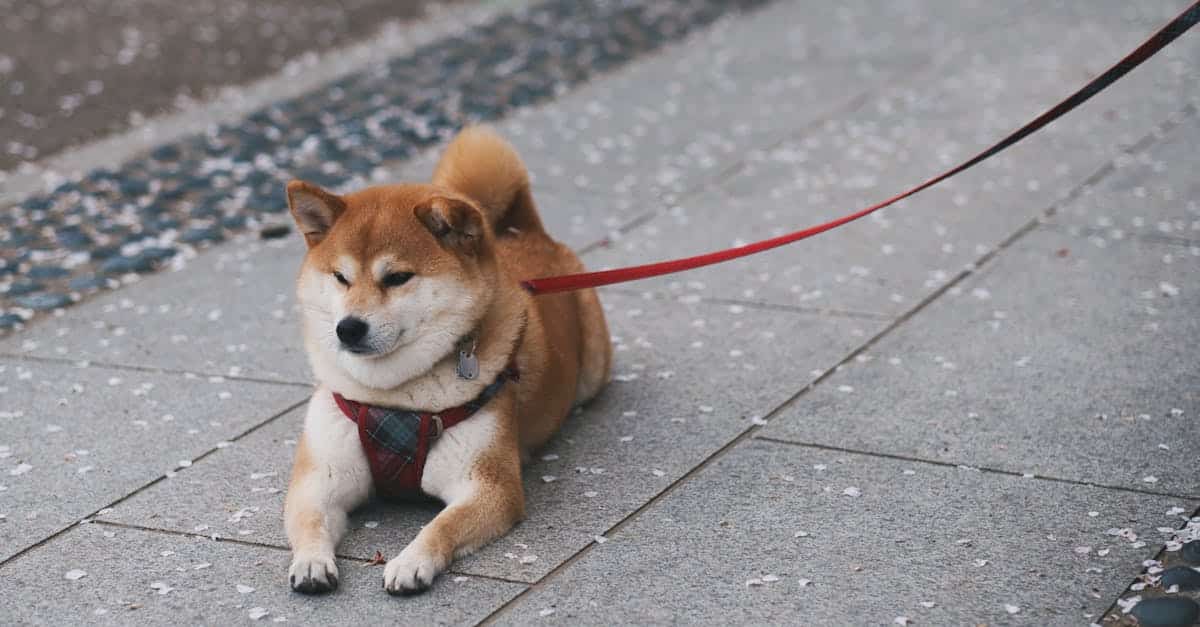

Mini Shiba Inus are compact dogs bred to retain the fox-like appearance, alert expression and independent temperament associated with the traditional Shiba Inu. Their smaller dimensions may appeal to people living in urban homes, but size alone does not make them effortless pets. They still need consistent training, daily activity, grooming and veterinary care.
What is a Mini Shiba Inu?
The term describes a selectively bred, smaller variant of the Shiba Inu. According to the available source information, Mini Shiba Inus generally stand 10-14 inches tall and weigh 10-20 pounds. They retain recognizable physical traits such as erect triangular ears, a curled tail, a muscular build and a thick double coat. Reported coat colours include red, black and tan, and cream.
Selective breeding focuses on producing smaller dogs while preserving the breed’s characteristic appearance and temperament. Prospective owners should still assess an individual dog’s health, behaviour and breeding background rather than assuming that every dog described as “mini” will have identical qualities.
Mini and standard Shiba Inu comparison
The clearest reported difference is size. The source describes standard Shiba Inus as standing 14-17 inches tall and weighing 17-23 pounds, compared with the smaller ranges given for Mini Shiba Inus. Both variants are described as having dense double coats, fox-like facial features, curled tails and proportionate, athletic bodies.
Their personalities are also presented as broadly similar. Mini Shiba Inus can be intelligent, alert, confident and independent. These qualities can make interaction rewarding, but they also mean that patient training and clear boundaries matter. A smaller body does not necessarily mean a more compliant temperament.
Temperament and suitable homes
Mini Shiba Inus are described as watchful dogs with strong problem-solving ability and an independent attitude toward commands. They may respond well to structured interaction without demanding constant attention. Their territorial tendencies and strong will can nevertheless create challenges when training is inconsistent.
They may suit single adults with predictable routines, experienced dog owners and families with older children who understand canine boundaries. Apartment living can be workable when the dog receives enough physical activity, mental stimulation and structured training. Compatibility ultimately depends on the individual dog and the household’s ability to meet its needs.
Exercise and mental stimulation
The source recommends 30-45 minutes of daily exercise. Brisk walks, fetch, puzzle games, short hikes, agility activities and obedience practice can provide variety. Mental challenges are especially useful for an intelligent dog that may become bored when its routine offers too little engagement.
Activity should be adjusted to the dog’s age, health, weight and energy level. A veterinarian can help an owner choose an appropriate routine when health or mobility concerns are present.
Grooming and everyday care
The dense double coat needs regular brushing to remove loose fur and reduce matting. The source recommends brushing 3-4 times weekly, with more frequent brushing during seasonal shedding. It also recommends bathing every 6-8 weeks with dog-specific shampoo.
Routine care also includes checking and cleaning the ears, trimming the nails and maintaining dental hygiene. Grooming sessions offer an opportunity to notice changes in the skin, coat, paws or ears that may warrant professional attention.
Food and portion control
The source recommends high-quality food formulated for small dogs and stresses portion control because excess weight can affect health. It gives a general daily amount of 1/2 to 1 cup of dry food, divided into two meals. That is only a general guide: an appropriate portion depends on the food, the individual dog’s size, age and activity, and veterinary advice.
Health considerations
Reported health concerns include patellar luxation, eye disorders, allergic dermatitis and dental disease. The source also identifies possible inherited concerns including hip dysplasia, hypothyroidism, chylothorax and canine immune-mediated haemolytic anaemia. These possibilities do not establish that an individual dog has or will develop any condition.
Regular veterinary monitoring, appropriate nutrition, exercise, weight management and access to available health information about the dog and its parents can support responsible care. A veterinarian is the appropriate person to assess symptoms, screening needs and preventive treatment for an individual dog.
Training and socialisation
Training should be consistent, patient and based on positive reinforcement. Short sessions, clear verbal cues and rewards can help maintain attention. Controlled socialisation can introduce a puppy to people, dogs and environments while allowing the owner to monitor its response.
Potential challenges described in the source include resource guarding, territorial behaviour, stubbornness, aggression and separation anxiety. Individual behaviour varies, so owners may need to adapt their approach. Professional training support can be useful when a behaviour is difficult to manage safely.
Purchase and ownership costs
The source reports a puppy purchase range of $1,500-$3,500, with some dogs from championship bloodlines exceeding $4,000. It also estimates ongoing expenses at $100-$300 per month. Actual costs can vary with location, veterinary needs, food, grooming, training and supplies.
When considering a breeder, ask for health documentation, information about the parent dogs and details of the puppy’s early socialisation. The source also recommends looking for transparent genetic screening, an opportunity to visit the facility and post-purchase support.
Is a Mini Shiba Inu right for you?
A Mini Shiba Inu may be appealing if you want a compact, alert and independent companion and can commit to structured training, exercise, grooming and healthcare. Before proceeding, consider whether your household can manage the breed’s strong will, shedding, activity needs and potential health concerns. Meeting the dog and reviewing its available health and breeding information can help you make a more informed decision.